Clay shrinkage subsidence vs drain defect: telling them apart pre-engineer
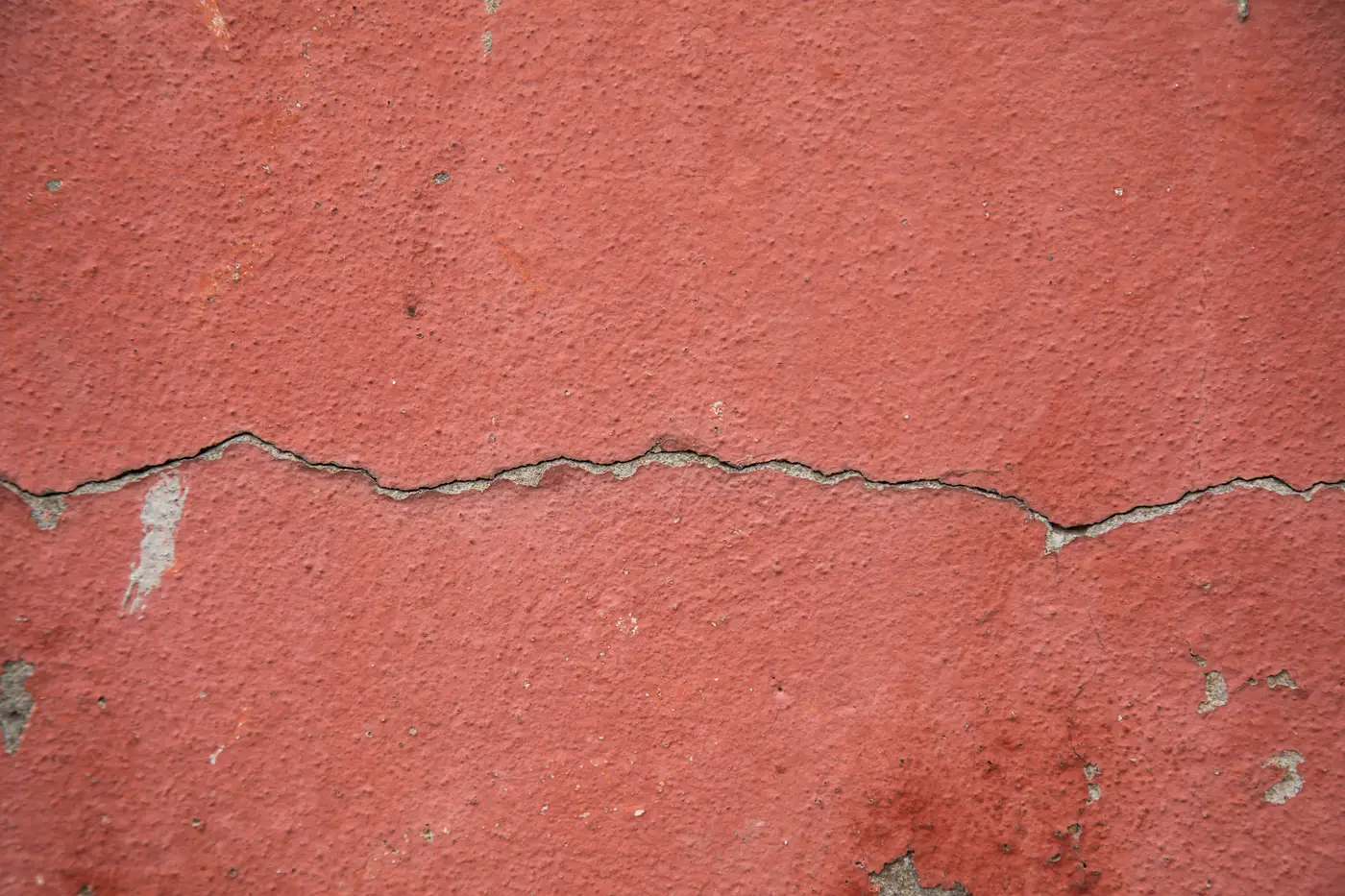
Every claims handler knows the moment. A policyholder reports stepped cracking above a bay window, the file lands on your desk, and you need to work out fast which investigation to send: a drain survey or an engineer looking at clay shrinkage subsidence. Get the diagnosis wrong at triage and you either send an engineer to a job a drain survey would have solved for a fraction of the cost, or you commission a CCTV survey on a site that was always going to need trial pits and level monitoring.
There's no substitute for a proper investigation on a confirmed claim. But before you instruct anyone, the file usually already holds enough to narrow the field.
What the crack pattern actually tells you
Clay shrinkage subsidence tends to show up as diagonal cracking, wider at the top, often near corners, bay windows, or anywhere a building's foundation depth changes. It tracks the dry side of the year. Cracks that opened in August and have visibly closed by the following March are behaving exactly as shrink-swell clay behaves: desiccation in summer, rehydration and heave recovery in winter.
A drain defect produces a messier picture. Cracking from a leaking or fractured drain is often localised to the run of the pipe rather than radiating from a corner, and it doesn't read the seasons the same way. Water escaping from a joint erodes the soil structure directly, which means the ground can keep moving through a wet winter instead of recovering. If the file shows cracking that's stayed static or worsened through two winters running, the clay-shrinkage story gets harder to tell, and a drain defect, a leaking water main, or a soakaway moves up the list.
Neither of these is a diagnosis. They're a way of deciding what you'd be paying for next.
Drain survey vs clay shrinkage subsidence: what each investigation can and can't settle
A CCTV drain survey answers one question well: is there a defect in the pipe run near the damage, and is it consistent with enough water loss to disturb the bearing soil. It's comparatively cheap, it's fast to schedule, and on a file where the cracking sits directly over or alongside a drain run, it earns its cost before anything else does.
What it can't tell you is whether the clay itself is desiccated, whether there's a thirsty tree or hedge within influencing distance, or whether the movement pattern matches a seasonal cycle. That's trial pits, level monitoring, root identification, and usually a structural engineer's report, not a drainage contractor's.
The mistake worth avoiding is running both investigations on every file regardless of what the evidence already shows. A property with no significant vegetation nearby, no history on shrink-swell clay, and cracking directly over a drain run is a drainage investigation first. A property on a mapped high-shrinkage clay, with a mature oak twelve metres from the wall and cracking that opens and closes with the seasons, doesn't need a drain survey to tell you where to look.
Site history is doing more work than the crack photos
Loss adjusters who've worked a subsidence book for a few years will tell you the single best predictor isn't the crack pattern at all. It's whether the property has moved before. A site with a prior claim, a known clay soil type, and vegetation close to the foundation is a different risk to an identical-looking crack on a property with none of that history. That's the gap most books have. Nobody's watching the quiet sites between claims, so the first sign of trouble is the policyholder's phone call, and by then you're choosing between an engineer and a drain survey with no baseline to compare against.
Structural Movement exists for that gap: repeat elevation readings over a book of properties on shrink-swell clay, compared year over year, so a site showing early settlement surfaces on a watch-list before the crack ever gets reported.
If you'd rather see which properties in your book are already moving than wait for the next call, that's the whole point of the watch-list.