Blog
 Field notes: the street where every house moved except one
Fourteen semis, same clay, same build year. Nine with subsidence history. One untouched. Notes from a street that doesn't fit the postcode risk model.
 Subsidence excess explained: how it differs from a standard buildings excess
What a subsidence excess actually is, why insurers set it higher than a standard buildings excess, and how that figure gets reviewed at renewal.
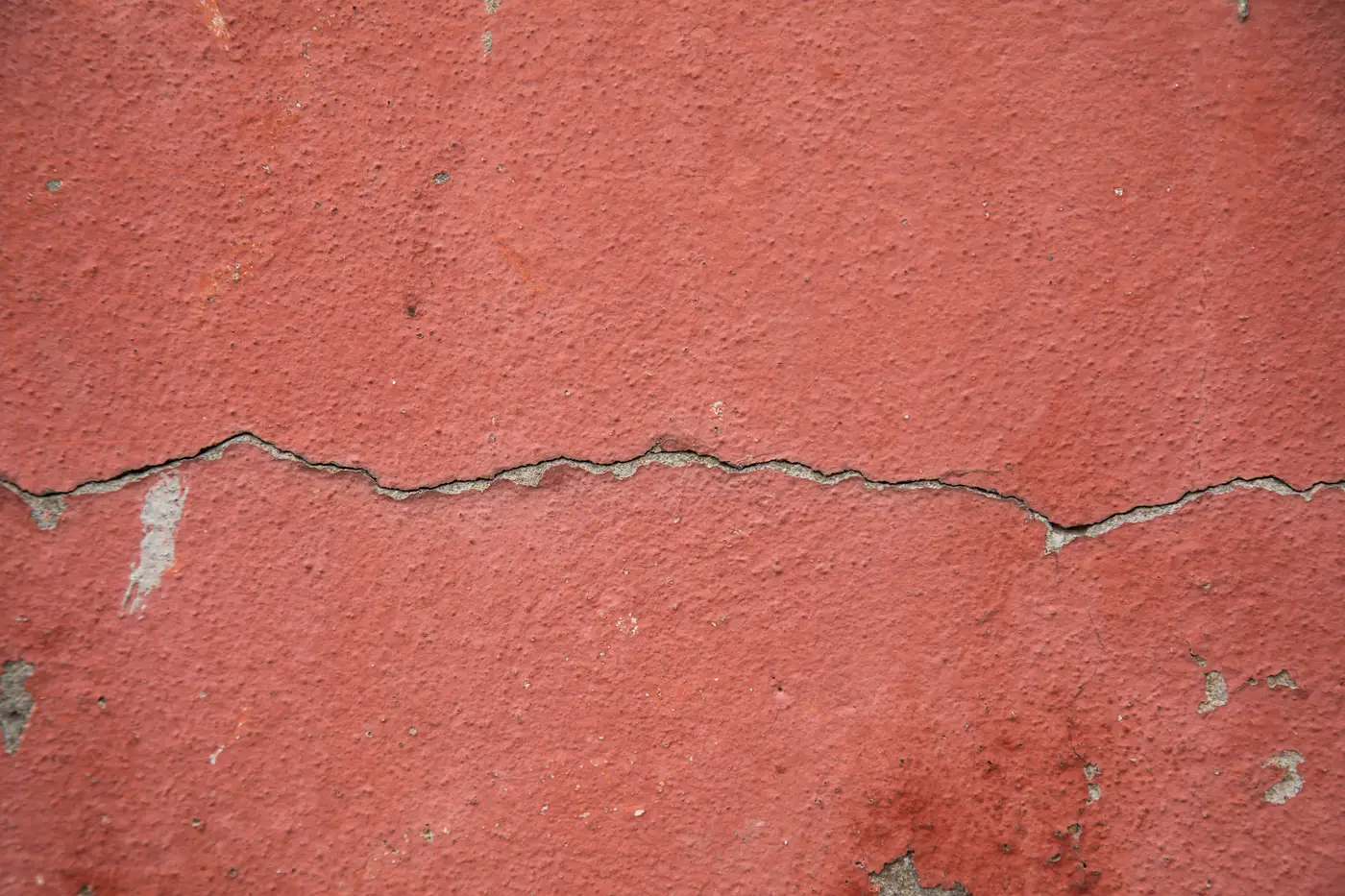 Clay shrinkage subsidence vs drain defect: telling them apart pre-engineer
How to read crack patterns, timing and site conditions to separate clay shrinkage subsidence from a leaking drain before instructing an engineer.
 What is the NHBC traffic light system for clay shrinkage risk?
What the NHBC Chapter 4.2 traffic light system bands, what the amber zone means, and why tree proximity rating alone won't settle a claim.
 Field notes: the semi that cracked every August for ten years running
Ten years of identical crack reports on one semi raise a question no single inspection ever answers: what does the trend show?
- Precise levelling survey vs annual stereo elevation model for spotting building movement
How precise levelling and annual stereo elevation modelling differ for spotting subsidence, and which one does what job in a claims book.
- Mining subsidence vs clay shrinkage subsidence: how to tell them apart
Crack patterns, timing and site history that separate legacy coal workings subsidence from clay shrinkage claims, and why the two get confused.
 What is a desiccation zone, and why it matters for subsidence claims
A desiccation zone is the depth where tree roots dry out shrink-swell clay. Here's what drives it and why it shapes subsidence claims risk.
- Field notes: the dry summer that filled the subsidence queue three weeks early
A claims-side field note on the summer the subsidence queue arrived three weeks early, and what the early wave had in common.
- Plasticity index: the number behind shrink-swell clay risk
What the plasticity index measures, how it sorts clay into volume change bands, and why the number alone won't tell you which sites will move.
- How to read a tree root survey for a subsidence claim
A claims-side guide to arboricultural reports: what the species list, water demand ratings and distance tables tell you about a subsidence claim.
- What is the plasticity index, and why it matters for clay shrinkage risk
What the plasticity index and modified PI measure, how they set shrink-swell soil classification bands, and where the number falls short on real risk.
- How long should crack monitoring run before you settle a subsidence claim?
A practical look at crack monitoring period length and the signals that tell you it's time to stop watching and authorise underpinning.
- Progressive vs historic cracking: what the claim file actually needs to show
How to tell active, progressive cracking from old settlement damage when deciding whether a subsidence claim needs an engineer out.
- Heave vs subsidence: what's the difference?
Subsidence pulls the ground down, heave pushes it up. Here's how to tell them apart on site and why the claims file needs the right one.
- How to read a BGS shrink-swell hazard map for a postcode
A plain guide to BGS shrink-swell hazard bands and clay ratings: what they measure, and what they leave out for a single property.
- How to tell subsidence from settlement in a cracked wall
Crack width, shape, and timing tell you whether a claim is settlement, differential settlement, or subsidence. A field guide for reading the pattern.
- Underpinning vs piling: which remedial method fixes clay shrinkage subsidence
A claims-handler's guide to mass concrete underpinning, mini-piling and resin injection, and which one fits which clay shrinkage case.