Heave vs subsidence: what's the difference?
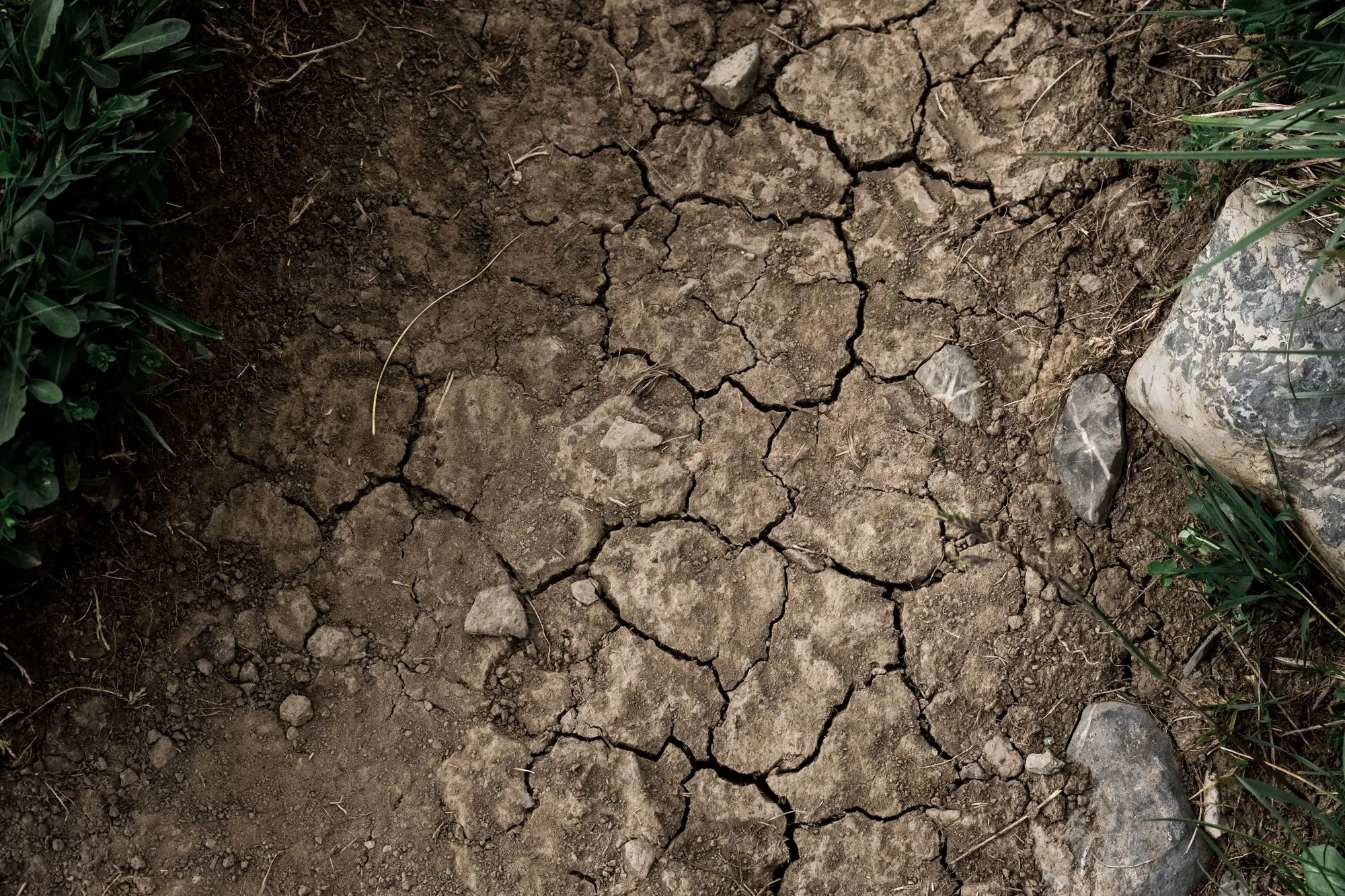
Two policyholders ring in with cracked brickwork. One's house sits on clay that's shrunk back after a dry summer, pulling the ground away from the foundations. The other's sits near a stump that came out eighteen months ago, and the clay's swelling now the tree isn't drawing water out of it anymore. Same crack pattern on the surface, opposite mechanism underneath, and if your loss adjuster writes up the wrong one, you're arguing cause of damage with a policyholder's engineer for the next six months.
Subsidence and heave get used almost interchangeably by policyholders, by some brokers, occasionally by adjusters who should know better. They're not the same event, and most buildings policies don't treat them the same either.
Subsidence: the ground moving away from the foundation
Subsidence is downward movement. The soil under part of the foundation loses volume, usually because clay has dried out and shrunk, and the ground drops away beneath the footing. Classic trigger is a thirsty tree or hedge within root range of the property, pulling moisture out of shrink-swell clay through a dry spell. Leaking drains washing out fines from the subsoil can do it too, though that's a different repair and a different causation argument.
The tell on site: cracking that's usually diagonal, wider at the top, often tapering to nothing near ground level, and it tends to get worse through a dry summer and can close up a bit over winter when the clay rehydrates. Differential settlement across a building is common where one corner's nearer the tree than another.
Heave: the ground pushing back up
Heave runs the other way. Clay that's been desiccated for years by a mature tree swells once that moisture demand is removed, usually because the tree's been felled or died, and the ground pushes up against the underside of the slab or footing. It's slower to show than subsidence and it catches a lot of claims teams out because the obvious culprit, the tree, is already gone from the garden by the time anyone's standing in the kitchen looking at a cracked floor slab.
Heave cracking tends to look different: horizontal or stepped cracking, doors and windows binding rather than gapping, and floors that lift rather than dip. It can also turn up after remedial underpinning on a neighbouring or even the same property, if root barriers weren't installed or the tree removal that triggered the rebound happened without anyone flagging it.
Why the claims file needs to say which one it is
The policy wording usually covers subsidence, heave, and landslip as named perils, but the investigation each one calls for isn't the same. Subsidence work generally starts with monitoring and vegetation management, trimming or removing the offending tree, sometimes a root barrier, before anyone talks about underpinning. Heave is a different repair conversation entirely. You can't shrink the ground back down by planting a tree and waiting, and in some cases a flexible or suspended floor is the fix rather than more concrete underneath it.
Get the diagnosis wrong at first notification of loss and you can end up commissioning the wrong monitoring regime, quoting the wrong repair scope to the policyholder, or sending an adjuster back out for a second visit once the loss adjuster's report comes back contradicting the initial note. On a book where you're triaging dozens of these a quarter, that's adjuster time and reserve movement you don't want to carry on claims that turn out to be routine.
Spotting which one you're dealing with before the claim lands
Crack pattern and timing tell you most of what you need on site, but by the time there's a crack to look at, the movement's already happened. The more useful question for a claims team sitting on a book of properties across shrink-swell clay is which addresses are moving at all, up or down, before anyone's picked up the phone. Structural Movement tracks exactly that: year-over-year elevation readings across a portfolio, flagging sites worth a closer look ahead of a claim rather than after one.
If your book sits on shrink-swell clay, it's worth seeing which addresses are already shifting before the next one calls in.