Mining subsidence vs clay shrinkage subsidence: how to tell them apart
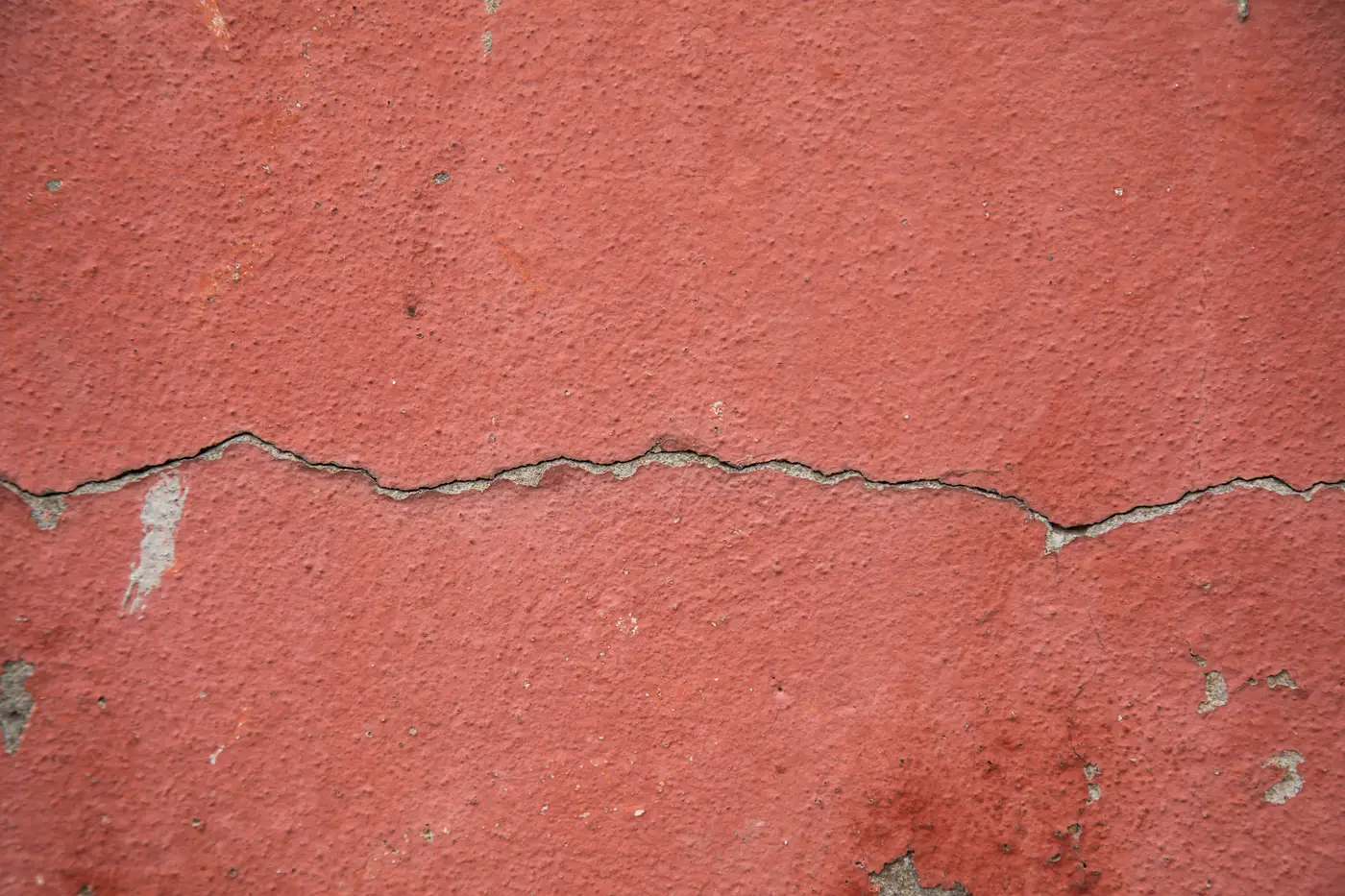
Two different mechanisms produce the same phone call: a policyholder with a cracked wall and a claim form. One is a seam collapsing somewhere beneath a former colliery town decades after the last shift. The other is a lime tree pulling moisture out of a shrink-swell clay subsoil every August. Get the attribution wrong at first notification and you've either sent a structural engineer chasing a mining report that doesn't exist, or missed a legacy workings issue that's going to come back as a dispute six months into the claim.
What mining subsidence actually looks like
Mining subsidence from legacy coal workings tends to show up as a sudden event rather than a slow creep. Residents often describe it as a bang, a door that suddenly won't close, or cracks that appear over a weekend rather than building gradually. The damage pattern is usually not tied to the position of trees or hedges on the plot. It can affect a run of properties along a street in a band that roughly follows the orientation of the old workings below, which is a very different footprint from the single-property, tree-adjacent damage you see with clay shrinkage.
The first real step in mining subsidence identification is a Coal Authority search (or the equivalent body for the coalfield in question), run before anyone books a site visit. That tells you whether there were recorded workings under or near the property, at what depth, and when they were abandoned. Shallow workings and workings abandoned within the last 75 years carry a different risk profile than deep, long-abandoned seams. If the search comes back clear, you're almost certainly not dealing with a legacy coal workings subsidence claim, whatever the loss adjuster's gut says from the crack width alone.
Clay shrinkage indicators to check against that
Clay shrinkage subsidence runs on a seasonal clock. Cracks that open up through a dry summer and visibly close, or at least narrow, by the following spring are the clearest tell. Diagonal, stepped cracking around door and window openings, worse on the side of the building nearest a mature tree, hedge or large shrub, is the textbook presentation. The underlying soil matters too: check against the shrink-swell clay mapping for the area, because the same crack pattern on sand or gravel points somewhere else entirely (drainage, foundation depth, or genuine structural defect rather than ground movement).
Root cause investigation for clay shrinkage usually involves level monitoring over a period of months, sometimes a full growing season, plus a trial pit to confirm foundation depth against root presence. That's slower and more expensive than a desk-based Coal Authority search, which is partly why misattributing a mining subsidence case as clay shrinkage, or the reverse, wastes real time and real engineer fees before anyone notices the mismatch.
Why the two keep getting confused
Both produce cracking, both can affect period housing stock disproportionately, and both are sometimes present on the same property at the same time, which is the genuinely difficult case. A house built on shrink-swell clay in a former coalfield town can have both a live mining risk and a seasonal clay shrinkage pattern running in parallel. The sensible order: rule mining in or out with the records search first, because that's quick and definitive, then layer in the tree, crack-timing and soil evidence for a shrinkage assessment. Treating every crack as clay movement until proven otherwise is how legacy workings claims slip through without the right investigation.
None of this tells you which properties on your book are moving before a claim gets filed in the first place. That's a separate problem, and it's the one Structural Movement was built for: a ranked, year-over-year elevation watch-list so you can see which sites on shrink-swell clay are worth a closer look before the cracks show up at the door.