Plasticity index: the number behind shrink-swell clay risk
If you've read more than a handful of subsidence engineer reports, you've seen the plasticity index quoted on page two, usually right after the soil description and right before the volume change potential rating. It's one of the few hard numbers in a report full of hedged language, which is probably why it gets leaned on so hard when a claims team is trying to sort a book of properties by risk. Worth knowing what it is, what it's good for, and where it stops being useful on its own.
What the number measures
Plasticity index, PI, is the gap between two lab results: the liquid limit (the moisture content where a clay stops behaving like a solid and starts behaving like a liquid) and the plastic limit (where it stops being plastic and starts crumbling). Subtract one from the other and you get PI. Both come from Atterberg limit tests, standard geotechnical lab work, usually done on a sample pulled from a trial pit or borehole.
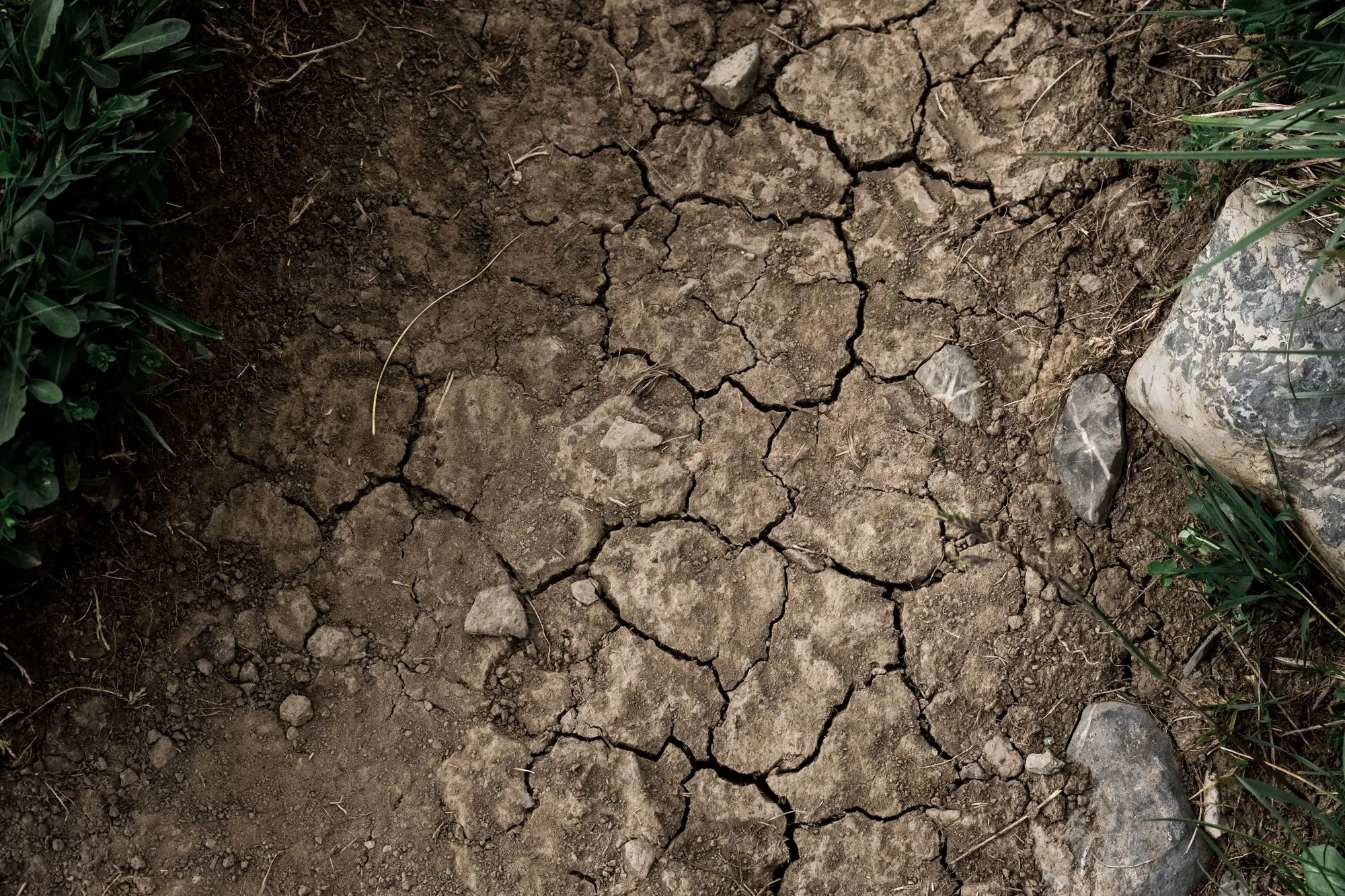
A low PI means the clay doesn't change much in volume between wet and dry. A high PI means it does, sometimes a lot. London Clay and the Lias clays that run through so much of the Midlands and the South West routinely come back at 40 or above. Sandy, silty soils with little clay fraction might sit in single figures. The number on its own is just a lab result. What makes it useful for underwriting is what it gets plugged into next.
How it sorts clay into risk bands
NHBC Chapter 4.2 and the older BRE Digest 240 both use a modified plasticity index, the raw PI multiplied by the percentage of the sample passing a 425 micron sieve, to assign a volume change potential: low, medium, high, or very high. That banding is what drives foundation depth recommendations on new build and what most engineers reach for when a claim comes in and someone needs a quick read on whether the clay itself is the likely culprit.
This is also where plasticity index classification earns its keep for a claims team. A postcode with soil consistently classed as high or very high plasticity isn't a postcode where subsidence is certain. It's a postcode where, if the moisture balance in the ground shifts, the clay has the material capacity to shrink or swell enough to move a shallow foundation. Low plasticity clay under the same stress just won't move much, whatever else is going on.
So when you're triaging a book and someone hands you a soil map with PI-derived bands, that's a legitimate first filter. High plasticity areas deserve more attention than low ones. Fine as a starting cut.
Where the number stops telling you anything
PI tells you what the clay is capable of, not what it's doing this year. A very high plasticity site with mature foundations, no large trees nearby, and a stable water table can sit quiet for decades. A medium plasticity site next to a thirsty oak that's just had three dry summers in a row can move noticeably. Foundation depth, tree root proximity, drainage history, and the season's rainfall deficit all sit on top of the soil's inherent plasticity, and none of them show up in a lab report from twenty years ago.
That's the gap between a static risk rating and an early warning you can act on. Soil classification tells you where movement is possible. It doesn't tell you where it's happening. For that you need a reading that changes year to year, not a geology map that doesn't. Comparing elevation across a book of properties on a repeat basis is how you catch which high-plasticity sites are drifting before anyone's filed a claim, rather than waiting for a subsidence claim to be the first signal.
If your book is sitting on clay that's already flagged high or very high plasticity, that's the shortlist worth watching closely rather than treating as uniformly at risk. Get in touch about setting up an annual watch-list for your book.