Progressive vs historic cracking: what the claim file actually needs to show
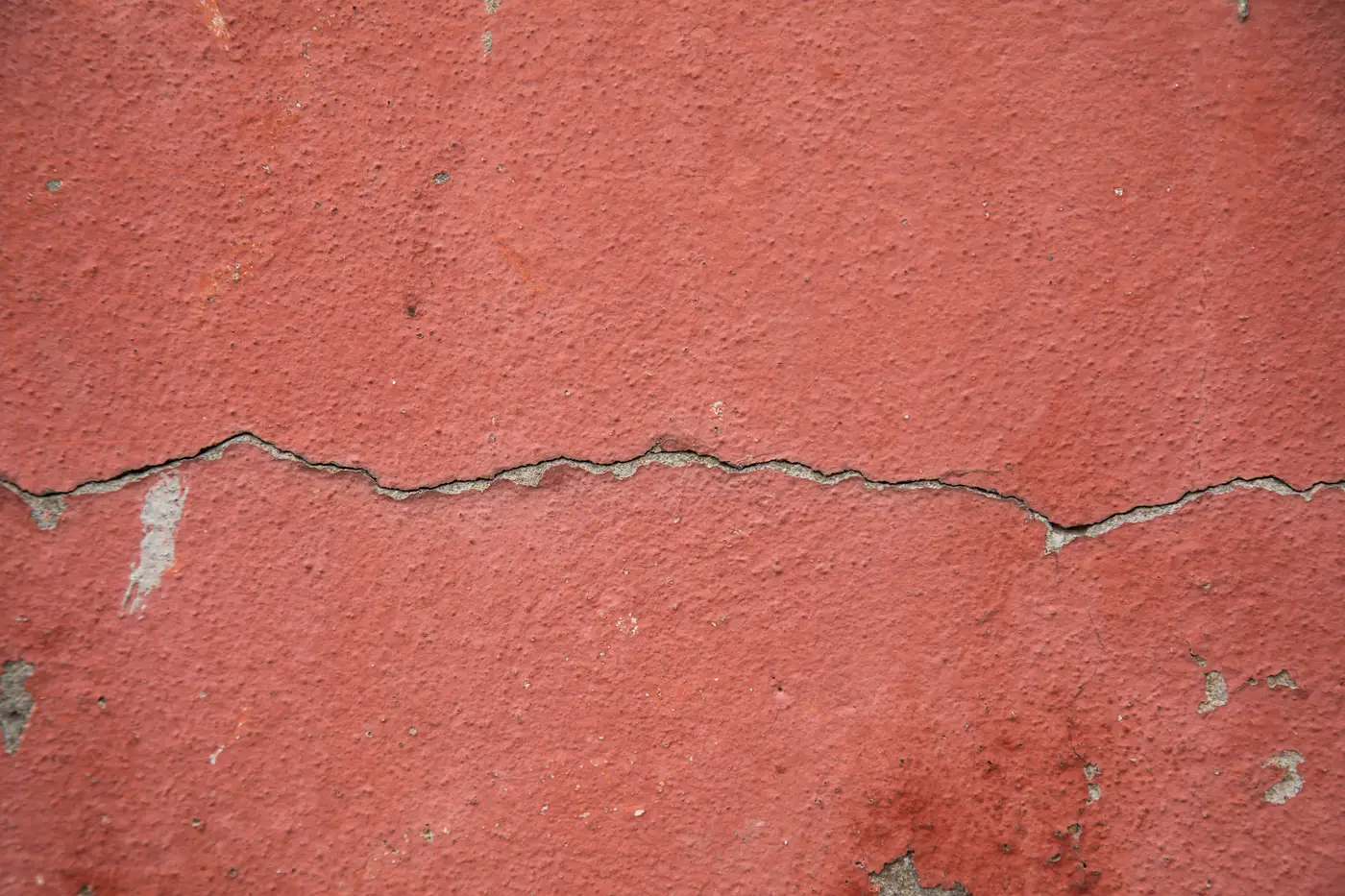
Every subsidence file starts with the same question from the desk: is this crack still moving, or is it just old damage the vendor never bothered to paint over? Get that wrong and you either send an engineer to look at a hairline that's been stable since 2009, or you sit on a policy holder whose rear elevation is opening up a millimetre a month through a dry summer.
There's no single test that settles it from a photo. But there's a pattern adjusters and engineers both work from, and it's worth having straight before the next batch of referrals lands on your desk.
The signs that point to historic damage
Old cracking tends to look tired rather than raw. The edges have softened, there's dirt, paint, or decorator's filler sitting in the crack line, and the width is usually the same from top to bottom rather than tapering. If the crack runs through a repair, through old pointing, or under several layers of redecoration without disturbing them, that's a strong tell it predates the current occupation.
Doors and windows that have always stuck, slightly, but have stuck in exactly the same way for years, point the same direction. So does step cracking in a mortar joint where the steps themselves are weathered and the mortar in the crack has carbonated to the same grey as the surrounding brick. None of this rules out subsidence as the original cause. It just means whatever moved the building has stopped moving it, at least for now.
The signs that point to live, progressive movement
Fresh cracking looks different under a loupe. Clean, light-coloured masonry or plaster exposed at the crack edges. A width that's visibly wider at the top than the bottom (or the other way round, depending on which way the ground is going), which tells you the crack is still opening rather than sitting static. New hairlines running parallel to an existing crack, or stepping diagonally across a mortar bed in a way that doesn't match the repointing pattern around it.
Diurnal and seasonal movement is the other tell worth asking the policyholder about directly: does the door only stick in August? Does the crack visibly widen after a dry spell and tighten up again over winter? That seasonal breathing is classic clay shrink-swell behaviour and it's one of the clearest signals that the crack isn't done moving yet.
This is also where tell-tales earn their keep. A glazed tell-tale or a simple pencil-and-date mark across the crack, checked over a monitoring period, turns "is it still moving" from a guess into a measurement. Six to twelve months of readings is the usual ask before a cause gets committed to writing, and that window is exactly where a claim either sits open racking up cost, or gets closed on thin evidence that comes back to bite the file later.
Why the file needs both, not just a photo
A loss adjuster's note that says "crack appears historic" based on one site visit captures a single moment, and a single moment can't show whether a crack is still opening. A tell-tale reading taken once has the same limit. The crack that looked dormant in March can be a different crack by September if the clay underneath has been drying out all summer. Conversely, a crack flagged as live on first inspection sometimes turns out to have been static for a decade once you actually watch it through a dry season. The honest answer to "is this progressive or historic" is usually "we don't know yet, so we're going to monitor it," and building that monitoring period into the claim timeline from day one saves re-inspections later.
Deciding which properties on a shrink-swell book deserve that level of attention before a claim even comes in is the actual job for a claims lead, more than any single file. Structural Movement builds year-over-year elevation models across a book of addresses on shrinking clay, and ranks the sites showing measurable settlement so the ones worth a closer look surface before the first crack gets reported, not after. If you're screening a book rather than one address at a time, that's the conversation worth having next.