How to tell subsidence from settlement in a cracked wall
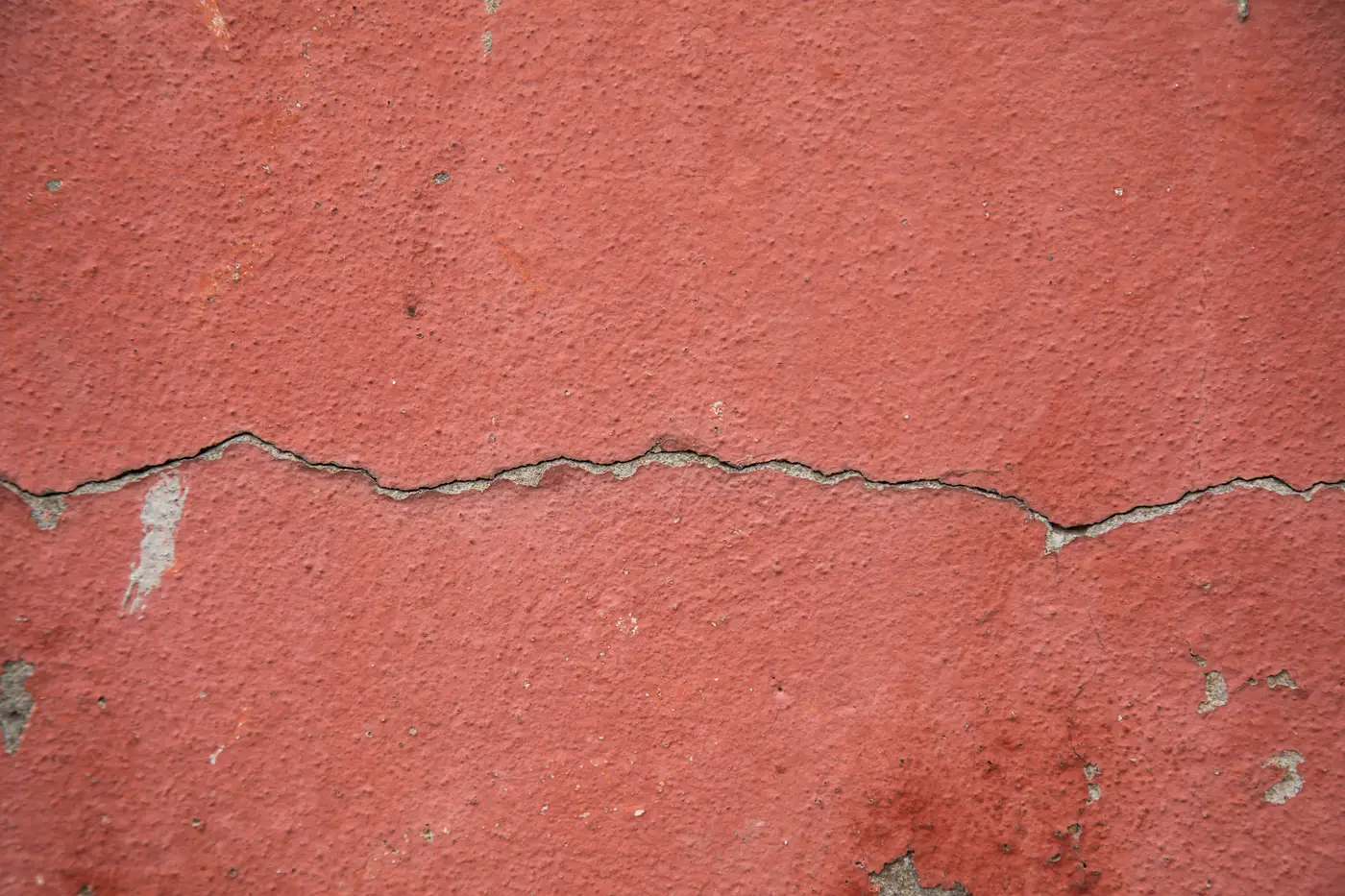
A cracked wall on its own doesn't tell you much. The pattern does. Before you commit an adjuster to a site visit, or worse, a SI to a trial pit, it's worth running the crack through a few quick checks that separate normal settlement from the kind of movement that gets a claim escalated.
Settlement: boring, and that's the point
Settlement is what every building does. The ground under new footings compresses as the structure loads up, and the frame finds its final position over the first year or two. It's usually:
- Hairline to about 3mm wide
- Uniform along its length, not tapering from top to bottom
- Confined to one storey or one elevation, often near a new extension tying into an older wall
- Static once redecoration covers it. Paint over a settlement crack and it tends to stay covered.
If the policyholder mentions the crack appeared "not long after the extension went up" and hasn't moved since, you're almost certainly looking at settlement, possibly differential settlement where the new footings bed in at a different rate than the original structure. That's a defects issue for the builder's warranty, not a subsidence claim, and it's worth saying so early rather than sending a loss adjuster out to confirm what the description already told you.
Subsidence: look for the taper and the season
Subsidence cracking behaves differently because the cause is still active. Shrink-swell clay pulls moisture out of the ground in a dry summer, the subsoil shrinks, and the foundation follows it down unevenly. The tells:
- Diagonal, stepped through the mortar joints rather than straight through brick
- Wider at the top than the bottom, often more than 5mm at its widest
- Visible on both internal and external leaves of the wall, not just the plaster skim
- Concentrated near corners, bay windows, or anywhere the foundation depth changes
- Doors and window frames binding or sticking as the opening distorts
- Gets worse through a dry summer and partially closes back up over winter as the clay rehydrates
That seasonal movement is the single most useful diagnostic you have on paper, before anyone attends. A crack that's "always been there" but the policyholder has only just noticed because it opened up again after this year's dry spell is a different claim to one that's been static since 2019. Ask when it was last decorated, and whether it was visible under the old paint line. A crack painted over three summers ago and reappearing now has moved in the meantime.
Trees matter here too. Mature trees within roughly one and a half times their height of the affected elevation, particularly oak, poplar, or willow, are the usual suspects on clay. If there's a tree that wasn't there on the last survey, or one that's been removed recently (changing moisture balance the other way, causing heave rather than subsidence), note it. Removal and planting dates are often more useful than the crack photo itself.
What this doesn't replace
None of the above is a substitute for a level survey or a trial pit once a claim is live. It's a triage tool, a way to sort "redecorate and close" from "instruct an engineer" before you've spent adjuster time on a file that was always settlement. The hardest cases are the ones in between: a property with no claim yet, sitting on clay, with a mature tree nearby and no crack reported at all, because the movement hasn't shown up in a wall yet.
That's the gap a cracked-wall checklist can't close. By the time a crack is wide enough to photograph, the ground's already moved. Structural Movement runs repeat elevation models over a book of properties on shrink-swell soils and compares them year over year, so a site that's settling shows up on the watch-list before anyone picks up the phone to report a crack.
If you're screening a postcode of clay-sitting properties rather than one claim at a time, that annual read is worth a look.